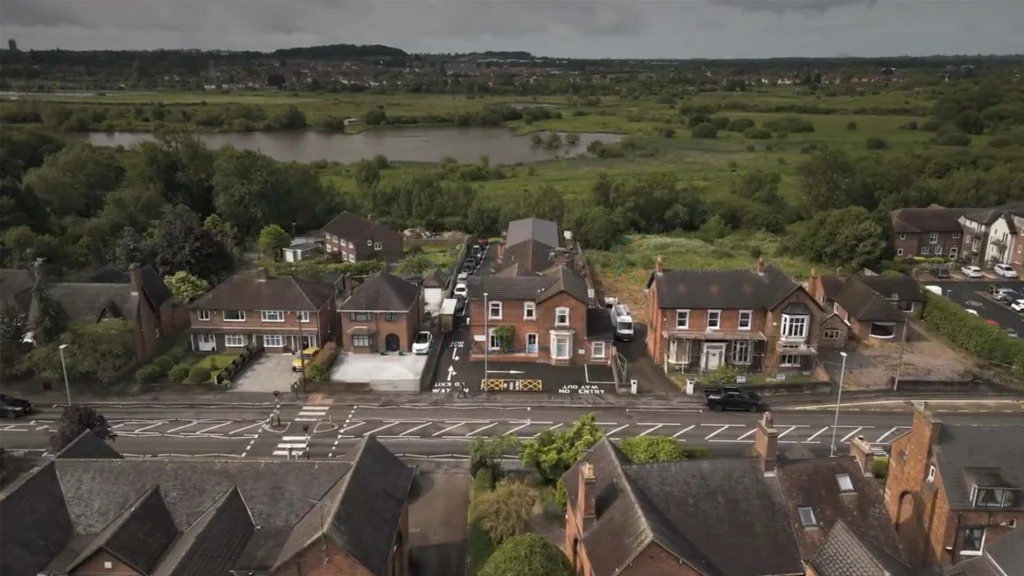
Introduction: Tackling High Incident Rates Across Multiple Sites
Staffordshire Council identified a need to proactively manage resident safety across three of their care home sites—Meadowrythe, Bracken, and Brookside. Historically, these facilities experienced a high number of falls, hospital admissions, and incidents of challenging behaviour.
To address this, Staffordshire installed 20 bed sensors across the three sites with the specific aim of reducing falls, incidents, and hospital admissions.
Key Performance Metrics
The rollout of the sensors across the three homes delivered unprecedented results in resident safety and staff responsiveness:
- 100% reduction in falls.
- 100% of beds remotely armed.
- 41 early intervention vital sign alerts generated.
- Under 90 seconds average typical response time.
- 6 average remote welfare checks conducted per night.
- 3 average bed exits attended per night.
The Solution: Pre-Fall Technology
Rather than relying on reactive measures, the care homes adopted Pre-Fall technology that alerts staff before a resident leaves the bed. The system operates entirely without camera surveillance, utilising a combination of acoustic, heart rate, respiratory rate, microwave, and thermographic monitoring. When an alert event occurs, a carer is notified via a mobile device and can respond in under two minutes.
“For the first time, we get to residents BEFORE they fall rather than reacting to each incident when it is too late. We had one resident who was an extremely high falls risk. She had 7 falls across a 6 month period, two of which resulted in hospital stay. After fitting the sensors, she had zero falls for the following 6 months. This 100% reduction was something we could never have thought prior.”
— Kevin Prince, Operations Manager
The Impact: Reducing 1:1 Care Ratios
For very high-risk individuals—such as those with challenging behaviour or severe falls risk—facilities often have to provide an extra level of care and support, particularly involving frequent visits throughout the night.
Skye Spragg, Care Lead, highlighted how the sensors transformed this process: “We have seen a huge benefit at night time as we can remotely care for these individuals without going into the room and thus waking them. The thermographic allows us to see every resident is safe in bed.”
Accelerated Response Times
Equipping staff with the right tools was critical to the project’s success.
Lydia Bird, Care Home Manager, explained the operational shift: “Our staff have an average alert response time of under 90 seconds. Staff carry around mobile PDA’s allowing them to be dealing with other residents whilst having the reassurance of knowing they can keep those in bed safe. The alarm is instant so they can get to the resident very quickly.”
Life-Saving Early Medical Interventions
Beyond fall prevention, the continuous monitoring of vital signs provided crucial early warnings for acute medical issues.
Skye Duffy, Deputy Manager at Bracken, shared a powerful example of the system in action: “During the night, the sensor detected an irregularity in a resident’s breathing pattern, alerting the staff of a potential issue. This early detection allowed the staff to respond promptly and identify the problem. As a result, they were able to swiftly arrange for medical support. The resident was then transported to the local hospital for further evaluation and treatment, where he spent five days. He eventually recovered and returned back to us. The sensor was incredible in terms of early intervention.”
(Note: An independent clinician has completed a white paper documenting the evidence, outcomes, and data collected during this project.)