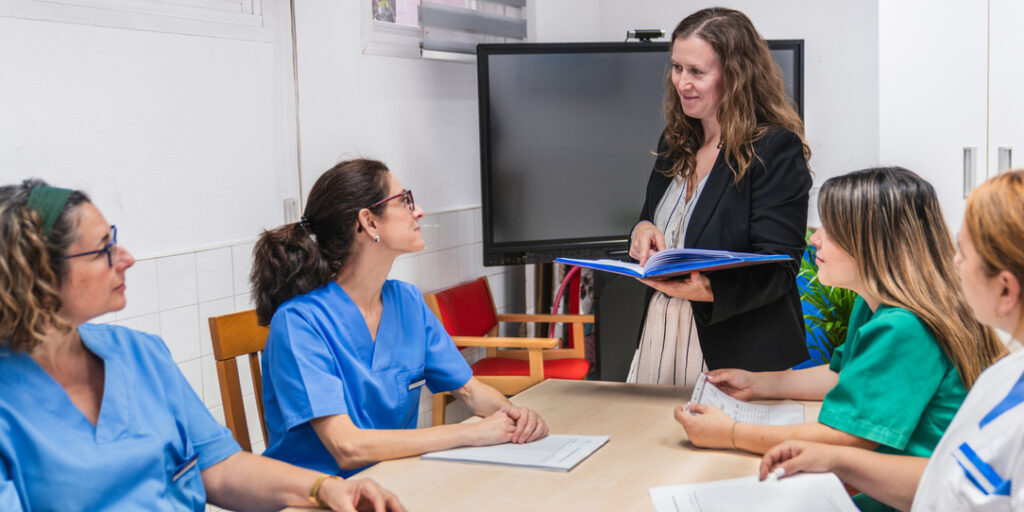
The decision to adopt new technology in a care setting (be it a residential care home, a hospital ward or a private care service) is a significant one. It is a choice driven by a desire to improve resident safety, enhance staff efficiency and provide a higher standard of care. Yet, the implementation process can seem daunting. As a manager, you are faced with questions from every direction:
- How will our staff adapt?
- What about resident privacy?
- Will this technology work with our existing systems?
At Wellbeing Sensors, we understand these concerns deeply. Our “pre-fall” detection and remote monitoring system was designed specifically to address the real-world challenges faced in care settings. We believe technology should be a partner, not an obstacle. This guide provides a clear, practical roadmap for introducing new solutions, ensuring a smooth transition that benefits everyone involveded.
1. The Foundation: Building the Business Case

Before you even begin to research specific technologies, the first step is to clearly define the problem you are trying to solve. Is your primary concern the high frequency of falls, leading to staff burnout and resident injuries? Are you looking to reduce the need for constant, one-on-one supervision? Or do you want to provide proactive care by monitoring subtle changes in a resident’s health?
By articulating a clear business case, you can align your team and stakeholders. Consider these factors:
Resident Outcomes
How will this technology directly improve the lives of your residents? For example, a system like ours is designed to increase resident independence and reduce the fear of falling, which can have a profound impact on their quality of life. To learn more about how our wellbeing sensor works, click here.
Operational Efficiency
Quantify the potential time savings for your staff. Less time spent on manual checks or reacting to a fall means more time for meaningful resident engagement. Our case studies show a significant reduction in the workload associated with monitoring.
Financial Return on Investment (ROI)
This is a critical component. Calculate the costs associated with falls, such as medical treatment, legal fees and staff turnover due to stress. Compare this to the investment in a new system. Our technology is not just an expense; it is a long-term investment that can lead to significant cost savings.
2. Staff Training: From Scepticism to Advocacy
Your care staff are the frontline heroes. Their buy-in is not optional; it is essential for the success of any new technology. They may have valid concerns about the new system, for example:
- Will it add to my workload?
- Will I be replaced by a machine?
- Will I be held more accountable?
Here is how to address these concerns head-on:
Involve Staff Early
Before you make a final decision, involve key staff members in the evaluation process. Let them trial the technology or participate in a pilot program. This gives them a sense of ownership and allows them to provide valuable feedback. Our system, for instance, has a simple, intuitive interface that was designed with direct input from carers to ensure it fits seamlessly into their daily routine.
Frame the Technology as a Tool, Not a Replacement
Emphasise that the technology is there to support them, not to replace them. The Wellbeing Sensors system frees up staff from constant physical checks, allowing them to focus on the human aspects of care, conversation, companionship and emotional support. It shifts the focus from reactive “firefighting” to proactive care.
Provide Comprehensive Training
Training should be practical and hands-on. Move beyond a simple manual. Show staff how to interpret alerts, respond to notifications and use the data to inform their care decisions. Create a feedback loop where they can report any issues or suggestions. We can offer tailored training sessions to ensure your team is confident and proficient from day one.
Highlight the Benefits to Them
Communicate how the technology will make their jobs easier and more fulfilling. Less stress from constant worry, more time for quality interactions, and the peace of mind that comes with knowing they have a powerful safety net. A key benefit is a reduction in the physical and emotional strain that comes with fall management, which can lead to reduced staff turnover.
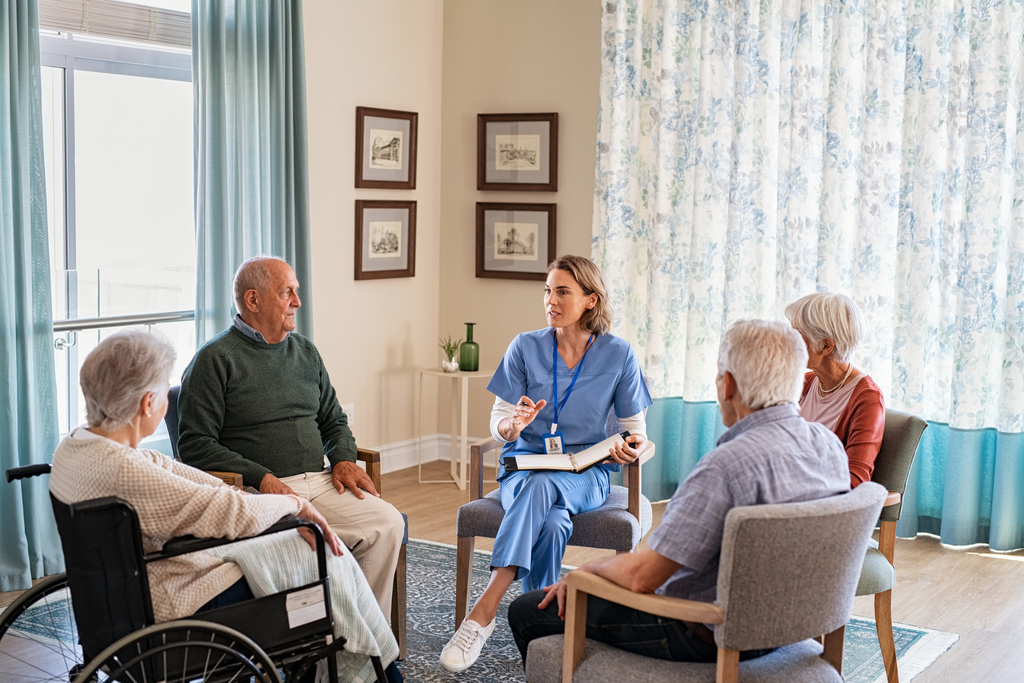
3. Resident Privacy: The Respectful Approach to Care
Privacy is a paramount concern for residents and their families. Any new technology must be implemented with the utmost respect for dignity and autonomy. The use of cameras, for example, can be highly intrusive and is often a major source of apprehension.
Our system was specifically designed to be non-intrusive and privacy-respecting. This is how you can address these concerns with confidence:
Lead with Transparency
Be open and honest about the technology with residents and their families from the start. Explain exactly what the system monitors (e.g., movement, vital signs, bed occupancy) and what it does not (e.g., no video or audio recording). Our system uses thermographic sensing and other non-contact methods, which we detail in our post on How Wellbeing Sensors Are Revolutionising Elderly Care in the UK. This can be a key differentiator in your discussions.
Explain the “Why?”
Communicate the purpose of the technology: to provide them with greater safety and independence. Frame it as a way to proactively prevent falls and health emergencies, allowing them to live more autonomously without the constant fear of being alone if they need help.
Emphasise Autonomy and Dignity
Reassure residents that this technology is in place to protect their dignity. Unlike physical check-ins that may interrupt a resident’s sleep or personal time, our system provides silent, continuous monitoring without intrusion. This reinforces a sense of respect and autonomy.
Secure Data Handling
Be prepared to discuss your data security protocols. Where is the data stored? Who has access to it? Our system adheres to stringent data protection standards, ensuring that all resident data is secure and accessible only to authorised personnel.
4. Integration with Existing Systems: A Seamless Fit
A new piece of technology should enhance your existing infrastructure, not complicate it. Many care managers worry that a new system will be a standalone island of data, requiring a separate login and creating more work.
The key is to choose a system that is built for compatibility:
Cloud-Based vs. On-Premise
Understand the difference. Cloud-based systems, like our Wellbeing Sensors, often require less physical infrastructure and can be updated remotely, simplifying maintenance. This also means you can access critical information from various devices, not just a central station.
Define Your Workflow
Before implementation, map out your current workflow. Where do alerts come in? Who is responsible for responding? How is the information logged? Then, work with the technology provider to integrate the new system into that workflow seamlessly. Our system’s alerts can be sent to mobile devices, allowing your care team to respond instantly from anywhere in the facility.
Pilot Program as a Test Run
A pilot program is a perfect opportunity to test integration. Start with a small section of your facility or a few residents. This allows you to identify any integration challenges and work with the provider to resolve them before a full-scale rollout.
Get in Touch to Learn More
Implementing new technology in a care setting is a journey, not a single event. It requires careful planning, transparent communication, and a commitment to partnering with your staff and residents. By addressing concerns about staff training, resident privacy, and systems integration proactively and honestly, you can ensure a successful transition.
At Wellbeing Sensors, we are more than just a technology provider; we are your partner in elevating the standard of care. Our mission is to empower care managers to create safer, more efficient, and more compassionate environments.
We invite you to learn more about how our system can transform your facility by exploring our case studies or by contacting us to learn more. We look forward to helping you make this vital step toward the future of care.
Contact us by:
Phone: 03300 162825
Email: [email protected]
Online: Contact Form
Take the first step towards safer, more independent living with our trusted PDA Wellbeing Sensor.