Introduction: The True Cost of Falls in Social Care
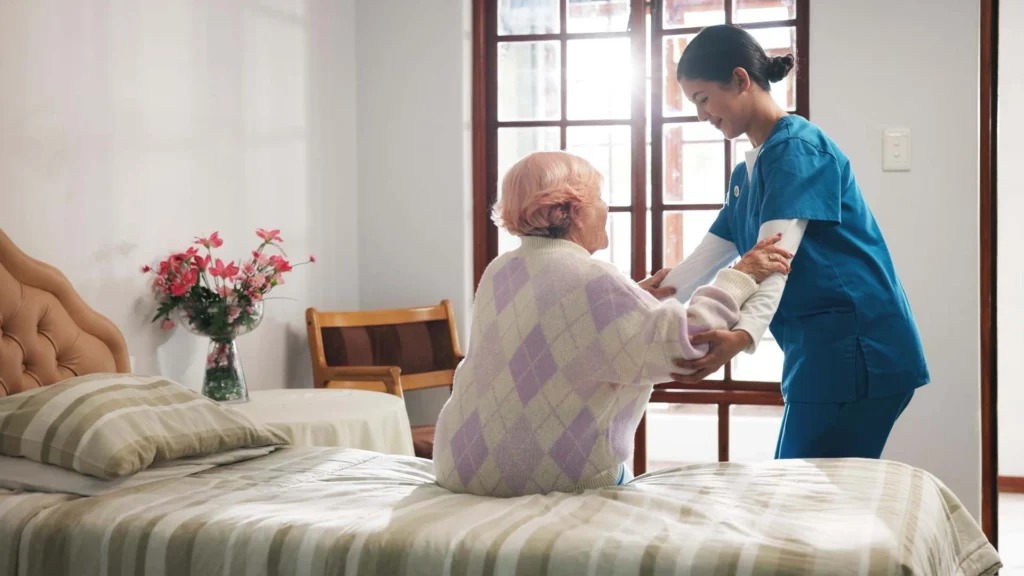
If you are managing a care facility, nursing home, or intermediate care centre, you understand that resident falls are one of the most complex and distressing challenges you face daily. A fall is rarely just a physical event; it often triggers a devastating cascade of consequences.
Beyond the immediate risk of fractures or traumatic injuries, falls frequently lead to a loss of confidence, reduced mobility, and a rapid decline in a resident’s overall independence. For care staff, high fall rates lead to increased anxiety, burnout, and immense pressure on already stretched resources.
So, when care managers and clinical leads ask how to prevent falls in care homes, the answer requires looking beyond traditional, reactive measures. We can no longer rely solely on crash mats or waiting for a pull-cord to be activated. True prevention requires a holistic, proactive strategy that combines environmental safety, clinical oversight, and intelligent technology.
In this guide, we will break down actionable, proven methods for reducing fall risks and protecting your most vulnerable residents.
Step 1: Environmental and Physical Risk Assessments
When looking at how to prevent falls in care homes, the most immediate changes you can make are environmental. Many falls are preventable through rigorous, regular environmental audits.
Optimising the Resident’s Space
- Clear Walkways: Ensure that pathways from the bed to the bathroom and the chair to the door are completely free of clutter, loose rugs, and trailing wires.
- Adequate Lighting: Ageing eyes require significantly more light to see clearly. Ensure rooms and corridors are well-lit, particularly at night. Consider installing motion-sensor nightlights under beds or along skirting boards to guide residents to the bathroom safely without dazzling them.
- Appropriate Footwear: Discourage residents from walking in socks, bare feet, or ill-fitting slippers. Well-fitted, supportive footwear with non-slip soles is crucial.
- Accessible Mobility Aids: Ensure walking frames and sticks are always within easy reach of the resident’s bed or chair, and that they are regularly checked for wear and tear (such as worn rubber ferrules).
Step 2: Clinical and Physiological Interventions
Falls are often a symptom of an underlying clinical issue rather than just a simple trip or slip. Regular multidisciplinary reviews are essential.
Medication Reviews (Polypharmacy)
Many care home residents take multiple medications daily. Certain drugs—particularly sedatives, antidepressants, and blood pressure medications—can cause side effects like dizziness, drowsiness, or postural hypotension (a sudden drop in blood pressure when standing up). Regular medication reviews by a GP or pharmacist can identify and minimise these risks.
Hydration and Nutrition
Dehydration is a leading cause of falls in the elderly. It leads to low blood pressure, confusion, and urinary tract infections (UTIs). A UTI can cause sudden, severe delirium and restlessness, drastically increasing the likelihood of a fall. Ensuring residents have easy access to fluids and are encouraged to drink regularly is a simple but highly effective prevention strategy.
Vision and Hearing Checks
If a resident cannot see obstacles clearly or relies on spatial awareness that is impaired by poor hearing, their fall risk multiplies. Ensure annual optician and audiology appointments are maintained.
Step 3: Moving from Reactive to Proactive Technology
Even with a perfect environment and excellent clinical oversight, you cannot have a staff member in every room, 24 hours a day. This is where traditional methods fall short.
Historically, care homes relied on pressure mats or call bells. However, these are reactive. A pressure mat only alerts you when the resident’s feet hit the floor—by which time they may have already fallen. A call bell relies on a resident having the cognitive ability and physical dexterity to ask for help, which is often not the case for individuals living with dementia.
To truly answer the question of how to prevent falls in care homes, we must utilise Pre-Fall Detection Technology.
What is Pre-Fall Detection?
Rather than waiting for a resident to leave the bed, proactive technology alerts care staff to the intent to move. At Wellbeing Sensors, our non-intrusive systems create a digital safety net using advanced data points:
- Thermographic Monitoring: Heat mapping detects body position. The system knows if a resident is safely asleep, sitting up, or moving towards the edge of the mattress.
- Acoustic Sensors: Detects unusual noise levels or calls for help without using recording microphones, protecting resident privacy.
- Vital Signs Tracking: Monitors resting heart rate and respiratory rate without wearables or skin contact.
By recognising the specific cascade of movements that precede a bed exit, the system pushes an immediate alert to a carer’s PDA. This gives staff the vital seconds needed to reach the room and assist the resident safely to the toilet, entirely averting the fall.
Traditional vs. Proactive Technology in Care Homes
| Feature | Traditional Methods (Pressure Mats, Pull Cords) | Proactive Technology (Wellbeing Sensors) |
| Intervention Timing | Reactive: Alerts staff after the resident is out of bed. | Proactive: Alerts staff before the resident leaves the bed. |
| Impact on Sleep | Requires disruptive hourly physical checks by staff. | Allows remote welfare checks via dashboard; residents sleep undisturbed. |
| Dignity & Privacy | Can be intrusive (wearables, physical night checks). | 100% non-intrusive (no cameras, no wearables). |
| Staff Capacity | Demands high 1:1 care ratios for high-risk residents. | Enables one staff member to safely monitor multiple residents remotely. |
Step 4: Utilising Data for Root Cause Analysis
If a fall does occur, preventing the next one requires understanding exactly what happened. Un-witnessed falls are notoriously difficult to investigate. Care teams are often left guessing whether a resident slipped, experienced a medical episode, or simply lost their balance.
When you implement advanced sensor technology, you gain the ability to perform a robust Root Cause Analysis (RCA).
The Wellbeing Sensors dashboard records the events leading up to an incident using non-invasive thermographic playback. Care managers can review the timeline to see:
- How the resident was moving prior to the event.
- Exactly how long the response time was.
- Whether underlying vital signs (like a spiking heart rate) contributed to the event.
This data allows clinical teams to offer predictability around how future falls can be prevented, tailoring individual care plans based on hard evidence rather than guesswork.
Conclusion: A Sustainable Approach to Safer Care
Figuring out how to prevent falls in care homes is not about finding one single magic cure; it is about layering your defences. It requires a combination of vigilant environmental management, continuous clinical assessment, and embracing modern, proactive technology.
By upgrading from reactive alarms to pre-fall detection systems, care homes can finally get ahead of the problem. You empower your staff with the tools they need to intervene early, reduce the need for exhausting 1:1 care, and most importantly, maintain the dignity and independence of your residents.
Ready to transform your falls prevention strategy?
If you want to see how proactive monitoring can significantly reduce falls in your care home while supporting your workforce, we are here to help. Book a no-obligation demonstration with me today to see the technology in action.