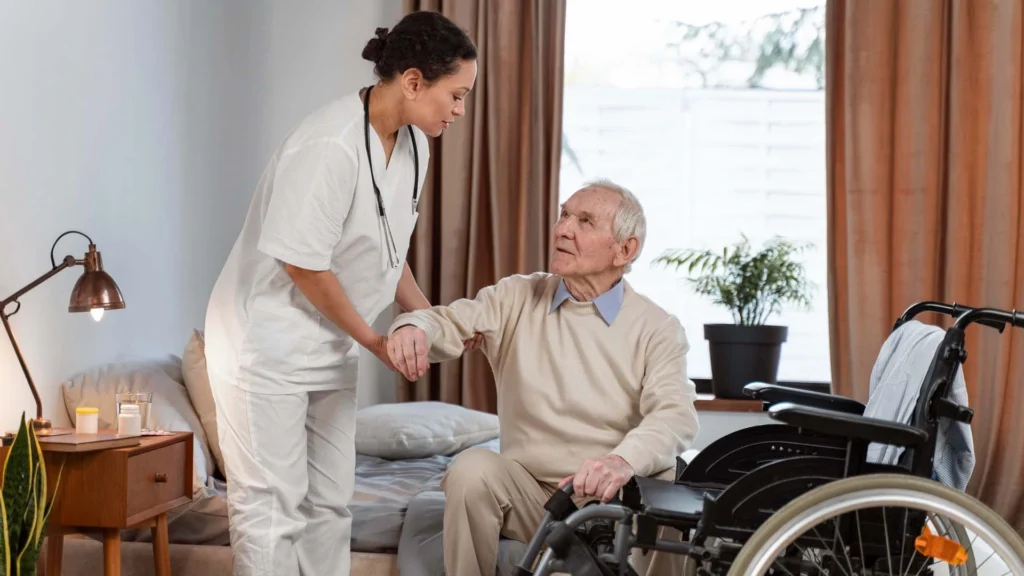
Introduction: Transforming Care at the Brookfield Centre
Balancing the need for constant patient monitoring with staff wellbeing and resident dignity is a significant challenge in intermediate care. At the Brookfield Centre, run by St Helens Borough Council, traditional methods of managing high-risk patients often required exhausting 1:1 care and hourly physical checks.
In 2026, the facility implemented Wellbeing Sensors to provide a ‘digital safety net’. Utilising Pre-Fall technology—which monitors acoustic, heart rate, respiratory rate, microwave, and thermographic data without the use of intrusive camera surveillance—staff are now alerted before a resident leaves their bed.
Key Performance Metrics

The impact of implementing the sensors was immediate and measurable:
- 100% of beds remotely armed.
- 271 bed exits successfully detected.
- 11 seconds recorded as the fastest response time overall.
- 100% fall-reduction rate achieved for a highly frail patient.
The Challenge: Managing High-Risk Residents
Prior to the sensor implementation, patients with extreme frailty or a history of frequent falls required intense monitoring. For example, one resident living with dementia needed 1-hourly physical checks, which was disruptive to their sleep and highly demanding on staff resources.
In another instance, an 84-year-old female admitted after a serious blood infection required 1:1 assistance due to a high falls risk and decreasing independence. A 73-year-old resident with dementia was frequently unsettled at night, entering other residents’ rooms and requiring continuous staff intervention.
The Solution: Proactive Intervention
By moving these high-risk individuals into ‘sensor rooms’, the Brookfield Centre staff shifted from reactive to proactive care. When a resident attempts to leave their bed, the system notifies a carer via a mobile device, allowing them to respond in under two minutes.
“This system is incredible, especially for residents at high risk of falls. During a night with reduced staffing, one resident attempted to get out of bed 7 times, but the sensor alerted us each time so we could respond quickly and prevent falls. It provides an important extra layer of monitoring, helping staff keep residents safe when it matters most.”
— Rebecca, Care Lead
The Impact: Better Outcomes for Residents and Staff
The integration of Wellbeing Sensors delivered transformative results across multiple areas of care:
- Eliminating Falls: A gentleman with a history of four previous falls sustained zero falls during his sensor-monitored stay, leading to a successful discharge home.
- Improving Dignity and Reducing Burnout: Staff safely reduced physical checks from 1-hourly to 2-hourly (and beyond), significantly lowering staff burnout while giving residents more peace and privacy.
- Informing Discharge Planning: For the 84-year-old female resident, sensor data proved she could use the toilet safely without assistance. This insight allowed the multidisciplinary team to drastically reduce her expected 6-week length of stay, facilitating a much sooner discharge.
- Reducing 1:1 Care Needs: For the 73-year-old resident with dementia, bed-exit technology replaced the need for frequent night checks, allowing staff to assist her to the toilet rather than waking her. This data proved that a reduced level of physical or 1:1 intervention was required upon her discharge.
“Coming to us with a high number of falls from her previous care home, this resident was a major concern for the team. The sensors provided an immediate layer of reassurance, giving staff the peace of mind to look after the rest of the unit while knowing they would be alerted the second she moved.”
— Judith Nalton, Head of Community Support Services, St Helens Council
Looking Ahead: Phase 3 Implementation
Following the success at the Brookfield Centre, St Helens Council is expanding its use of the technology.
Lisa Birtles, Assistant Director Contact Cares (Operations & Independent Living), noted: “Our Intermediate Care facility is seeing real benefit for service users and staff. We will be implementing further sensors in phase 3 as a risk assessment tool, using a nursing home partner to prove and/or disprove the requirements for 1:1 care.”
(Note: An independent clinician has completed a white paper documenting the evidence, outcomes, and data collected during this project.)