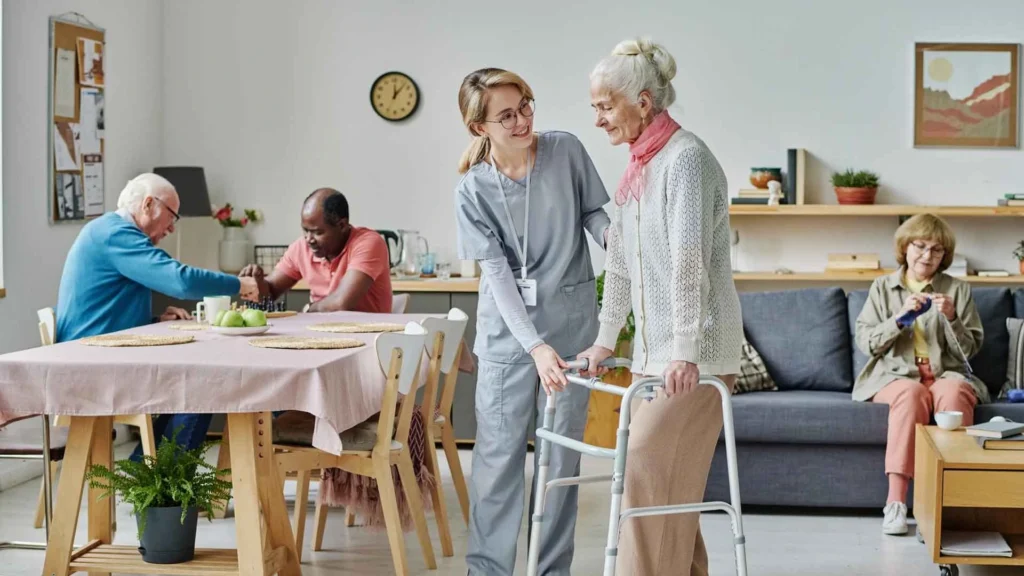
The integration of technology into care homes isn’t about replacing human empathy with cold automation—it’s about stripping away administrative noise and safety guesswork so caregivers can spend more time actually connecting with residents.
At the center of this revolution is the Wellbeing Sensor: continuous, ambient technology that works silently in the background. From predictive health monitoring to ambient safety checks, digital transformation is fundamentally shifting care homes from reactive crisis management to proactive, personalised support.
Spotlight: The Power of Wellbeing Sensors
Unlike traditional emergency call buttons or invasive cameras, modern wellbeing sensors offer continuous, non-intrusive monitoring that preserves resident dignity while giving care teams actionable, real-time insights.
Core Philosophy: The best wellbeing sensor is invisible. It monitors physical health and movement without requiring wearables or disrupting daily routines.
The 5 Core Technologies Powering the Wellbeing Sensor
To provide complete, 360-degree monitoring without invading resident privacy, the Wellbeing Sensor utilises five distinct layers of technology:
- Acoustic Monitoring: By actively monitoring sound waves around the bed space, the sensor listens for signs of distress or calls for help. This replaces disruptive, physical hourly room checks, allowing residents to get undisturbed sleep while ensuring immediate response if needed.
- Microwave Sensing: Utilising safe, advanced microwave technology, the sensor accurately tracks sleep patterns and detects bed exits. This ensures staff are notified the moment a high-risk resident attempts to get up, preventing falls before they happen.
- Respiratory Rate Tracking: Continuous monitoring alerts staff to dangerous fluctuations in a resident’s breathing rate. This provides vital early warning signs of respiratory distress or infections (like pneumonia) long before physical symptoms fully manifest.
- Heart Rate Monitoring: Staff are automatically alerted to critical heart rate fluctuations in real-time. Crucially, this is done with absolute zero skin contact, eliminating the need for residents to wear uncomfortable chest straps or smartwatches to bed.
- Thermographic Fall Detection: Using sophisticated heat mapping, thermographic technology attempts to capture and verify a fall occurring anywhere outside of the immediate bed space. This instantly alerts caregivers to a floor incident without placing intrusive CCTV cameras in private living areas.
The Broader Smart Care Tech Ecosystem
While wellbeing sensors provide the crucial safety and health monitoring piece of the puzzle, they exist within a wider landscape of digital tools modernising the care sector. Alongside sensor technology, care homes are adopting several standalone systems to elevate daily operations:
1. Digital Social Care Records (DSCR) & Smart eMAR
- Digital Care Plans: Cloud-based software allows staff to log notes, update care plans, and manage resident profiles on handheld tablets. This eliminates lost paper records and ensures seamless communication during shift handovers.
- Electronic Medication Management (eMAR): Digital systems replace paper medication charts, strictly tracking dosage schedules and administration records to significantly reduce human error and simplify compliance audits.
2. Telehealth & Remote Diagnostics
- Virtual Consultations: Telehealth platforms allow care homes to instantly connect with GPs or specialists via secure video links, reducing the stress and physical toll of transporting frail residents to hospitals for routine checks.
- Digital Diagnostics: Standalone wireless devices—such as digital blood pressure cuffs and pulse oximeters—allow caregivers to capture precise vital signs and share them with remote medical teams to assist in medical triage.
3. Cognitive & Social Engagement Tech
- Sensory & Interactive Solutions: Large interactive touch tables loaded with collaborative puzzles and memory games help keep residents cognitively engaged and encourage social interaction.
- Virtual Reality (VR): Immersive VR headsets allow residents to safely experience travel, nature, or childhood neighborhoods, acting as powerful tools for reminiscence therapy and mood enhancement for those with dementia.
Impact Overview
| Area | Wellbeing Sensor Impact | Staff & Operational Impact |
| Health & Safety | Detects subtle health declines (respiratory/heart rate changes) days before physical symptoms appear. | Eliminates unnecessary physical bed checks; drastically reduces alarm fatigue through targeted acoustic alerts. |
| Dignity & Daily Living | Eliminates uncomfortable wearables and invasive cameras via thermographic mapping, granting full privacy. | Shifts daily workflow from reactive emergency response to planned, proactive personal care. |
| Sleep & Recovery | Tracks sleep cycles accurately via microwave tech without disturbing the resident. | Provides clear data on night disruptions to help refine personalised care routines. |
| Medical Care | Generates continuous, contactless health trend data rather than isolated, periodic check-point readings. | Provides clear, objective digital audit trails for doctors, specialists, and regulators. |
Key Challenges & Best Practices
- Alarm Calibration & Threshold Tuning: Sensors must be customised to each resident’s personal baseline. Overly sensitive settings lead to false alarms and staff fatigue, while overly broad settings risk missing subtle health changes.
- Managing Multiple Platforms: As care homes adopt various new technologies—from wellbeing sensors to digital care records—staff must be properly trained to manage these distinct systems efficiently without feeling overwhelmed by multiple screens or dashboards.
- Preserving Human Connection: Sensors provide the data, but humans provide the care. Technology should be framed as an enabler that gives caregivers more time for meaningful, face-to-face interaction.
Key Takeaway: Wellbeing sensors are shifting social care from a reactive model (“respond when a fall happens”) to a predictive model (“intervene when breathing fluctuates or bed exits occur”). By letting technology handle ambient safety silently in the background, caregivers are empowered to focus on what matters most: human connection, warmth, and individualised care.