
As councils strive to meet the growing demands of care homes in their regions, ensuring the safety, wellbeing, and quality of life for residents is paramount. The challenges of managing care facilities are vast, ranging from staff shortages and budget constraints to increasing health and safety requirements. This is where wellbeing sensors are transforming the landscape of care home management, providing councils with a cutting-edge solution to improve care outcomes and optimize operations.
In this blog, we’ll explore how wellbeing sensors can be a game-changer for councils overseeing care homes, ensuring they provide the highest level of service while maximising resources.
Understanding Wellbeing Sensors
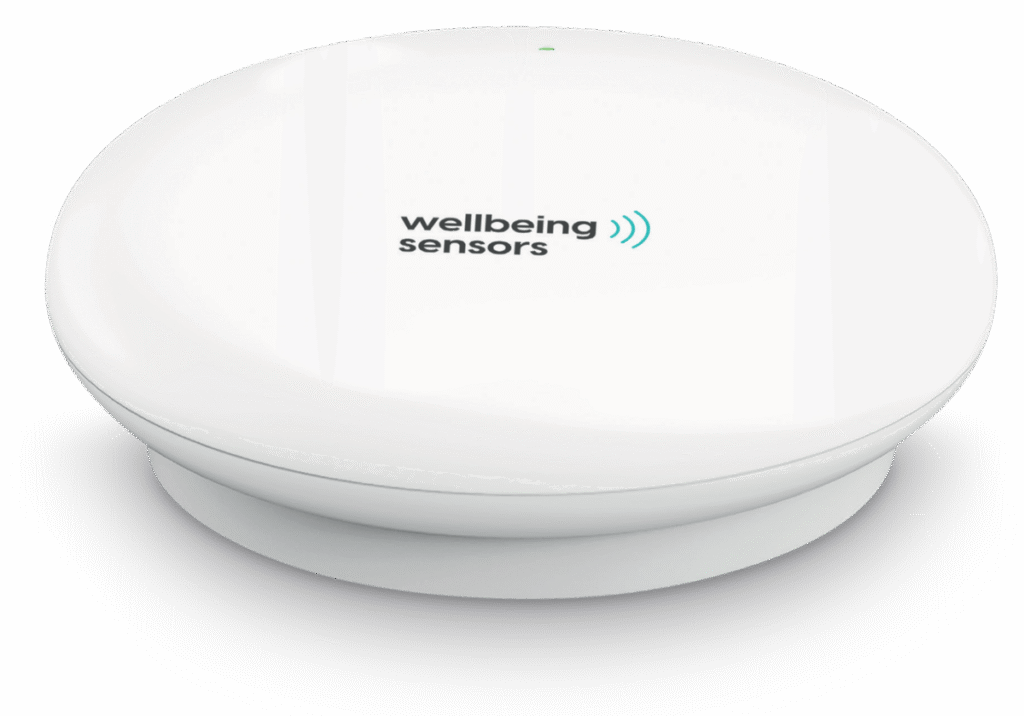
Wellbeing sensors are state-of-the-art devices that monitor the health, activity, and safety of care home residents in real-time. Unlike traditional monitoring systems, these sensors are non-invasive, discreetly installed in living spaces, and equipped with advanced technologies like motion detection, fall prevention, and data analytics.
By collecting and analysing data, wellbeing sensors provide actionable insights to caregivers, helping them respond promptly to incidents and even prevent them before they occur. For councils managing care homes, these sensors offer an innovative way to enhance resident care while addressing systemic challenges.
Key Benefits of Wellbeing Sensors for Care Homes and Councils
Preventing Falls and Accidents
Falls are one of the leading causes of injury and hospitalisation among care home residents. Wellbeing sensors can detect irregular movements and predict potential falls, alerting staff before an incident occurs. This proactive approach not only protects residents but also reduces the strain on local healthcare systems.
For councils, this means:
- Fewer emergency calls and hospital admissions
- Reduced costs associated with post-fall care and rehabilitation
- Improved resident satisfaction and family trust
Enhancing Staff Efficiency
Staff shortages are a pressing issue in the care sector. Wellbeing sensors enable care teams to focus on critical tasks by automating routine monitoring and providing precise alerts when intervention is needed. This technology reduces the workload for caregivers, allowing them to allocate their time and skills more effectively.
For councils, this translates into:
- Better staff retention due to reduced burnout
- Optimised use of limited human resources
- Confidence in meeting regulatory staffing requirements
Improving Health Outcomes
Continuous monitoring provided by wellbeing sensors ensures that residents’ health is closely observed. These devices can track vital patterns such as movement, sleep quality, and activity levels, enabling early detection of health issues like UTIs, mobility decline, or cognitive impairments.
For councils, the benefits include:
- Enhanced quality of life for residents
- Long-term cost savings by addressing health issues early
- Positive outcomes in health and care audits
Reducing Response Times
When emergencies occur, rapid response is critical. Wellbeing sensors immediately alert staff to incidents such as falls, bed exits, or prolonged immobility. This reduces response times, ensuring residents receive prompt care and preventing further complications.
For councils, quicker response times:
- Demonstrate compliance with safety regulations
- Strengthen the council’s reputation as a care leader
- Minimise liability in case of adverse event
Data-Driven Decision Making
Wellbeing sensors collect a wealth of data, which can be analysed to identify trends and inform care strategies. For example, insights into a resident’s mobility can help predict their need for mobility aids or changes to their care plan.
For councils, data analytics provide:
- Evidence to support funding requests and policy changes
- A clear overview of care home performance
- Benchmarking tools to improve care standards across the region
Addressing Key Challenges for Councils
Challenge 1: Budget Constraints
Councils often face limited budgets for social care, making it essential to justify investments. While the upfront cost of wellbeing sensors may seem significant, the long-term savings in reduced hospitalisations, improved efficiency, and better care outcomes outweigh the initial expenditure.
Challenge 2: Regulatory Compliance
Care homes are subject to stringent regulations, and councils are under pressure to ensure these facilities meet required standards. Wellbeing sensors assist in achieving compliance by providing:
- Evidence of continuous resident monitoring
- Documentation of care interventions and incident responses
- Data to support inspections and audits
Challenge 3: Family Satisfaction
Families expect a high standard of care for their loved ones, often scrutinising the facilities and processes in care homes. Wellbeing sensors give families peace of mind by demonstrating that their loved ones are closely monitored and safe.
Take a look here at our real life case studies.
How Councils Can Implement Wellbeing Sensors
Implementing wellbeing sensors in care homes doesn’t need to be complex. Here’s a step-by-step guide for councils:
Assess Care Home Needs
Evaluate the specific challenges of care homes in your area, such as high fall rates, staff shortages, or regulatory concerns.
Collaborate with Technology Providers
Partner with reputable wellbeing sensor providers to understand the capabilities of their systems and customise solutions for your care homes.
Secure Funding
Explore funding opportunities, such as government grants or partnerships with healthcare organisations, to support the implementation of wellbeing sensors.
Train Care Home Staff
Ensure that staff are trained to use wellbeing sensors effectively, including interpreting data and responding to alerts.
Monitor and Evaluate
Continuously monitor the impact of wellbeing sensors, collecting data to assess improvements in care quality, staff efficiency, and resident satisfaction.
A Vision for the Future
The integration of wellbeing sensors into care homes represents a significant step forward in improving the quality of care for vulnerable populations. For councils, this technology offers a practical solution to longstanding challenges, enabling them to deliver safer, more efficient, and cost-effective care.
By adopting wellbeing sensors, councils can position themselves as pioneers in the care sector, setting a benchmark for others to follow. As the demand for innovative care solutions grows, embracing this technology will not only benefit today’s residents but also shape the future of care for generations to come
Ready to Make a Difference?
If you’re a council looking to improve care home management, Wellbeing Sensors can provide the tools you need. Contact us today to learn more about how our innovative solutions can support your mission to deliver exceptional care.